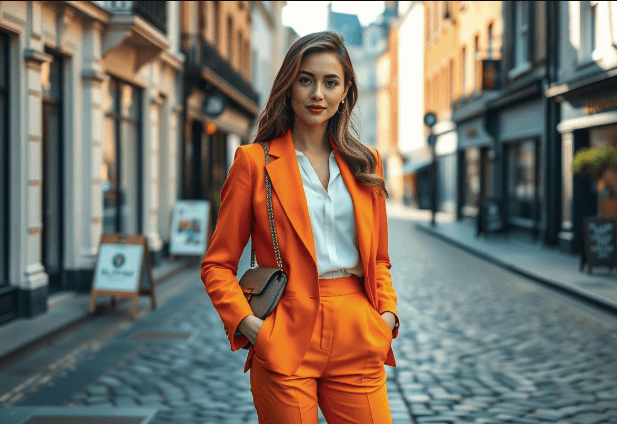
Balanced dressing centers on controlled silhouette, thoughtful line logic, and measured texture. It treats proportion as a discipline: bold pieces need restraint elsewhere; quiet fabrics ground a loud statement. Color and weight are chosen with purpose, not impulse, so high contrast is deliberate, not decorative. The result is cohesion that travels across moments, from street to lift. The method invites tighter questions about fit, fabric, and intention—and that inquiry leaves a path to stronger outfits.
What Balanced Dressing Really Means in Practice
Balanced dressing is not about uniform sameness but about deliberate harmony between elements—color, silhouette, texture, and occasion. In practice, ensembles cultivate a balanced silhouette and proportional styling, aligning scale with context. Visual weight, line logic, and fabric behavior create clarity rather than excess. The aim is intentional restraint that empowers movement, confidence, and expressive freedom without distraction or hierarchy.
How to Line Up Proportions for Harmony
To achieve harmony, one aligns silhouette, scale, and placement so each element supports the others rather than competing for attention. Proportion becomes policy: bold silhouettes command focus, while scale contrast creates rhythm without noise. Quirky accessories punctuate lines, not overwhelm them, preserving silhouette harmony.
Precision in tailoring, deliberate placement, and restrained repetition forge balanced looks with audacious, unfettered confidence.
Balancing Fabrics, Colors, and Textures With Purpose
Crafting balanced outfits hinges on purposeful fabric, color, and texture choices that reinforce a cohesive silhouette rather than clash with it. The approach centers on fabric weight and fabric drape, ensuring weight contrasts support form. Texture mixing remains deliberate, avoiding clutter. Color schemes favor restrained palettes, while sheen balance maintains unity. Pattern restraint prevents distraction, delivering clarity and freedom in composition.
Build a Balanced Capsule Wardrobe: Steps and Examples
A balanced capsule wardrobe starts with a clear framework: essential pieces chosen for versatile fit, measurable quality, and cohesive color and texture. The approach outlines steps: identify core silhouettes, assess gaps, and choose coordinating wardrobe staples. Emphasize building versatile silhouettes and disciplined elimination. Examples show practical mixes, repeatable outfits, and scalable layering, ensuring freedom through intentional, concise, and high-impact wardrobe planning.
Frequently Asked Questions
How Do I Balance Accessories With a Bold Outfit?
Balanced color accents guide restraint; this approach tempers a bold outfit, allowing pieces to converse rather than clash. It emphasizes statement jewelry pairing with careful spacing, letting textures shine while the overall silhouette remains uncluttered, free and decidedly controlled.
See also: Brain-Enhancing Technologies
What Body Types Benefit Most From Balanced Styling?
Body types that benefit most from balanced styling include hourglass, pear, inverted triangle, and rectangular figures; balance strategies emphasize proportional silhouettes, versatility, and harmony. Fabric textures enrich contrast, elevating confidence as wearers experiment with bold freedom.
Can I Wear All Neutral Tones and Still Look Balanced?
Yes, one can wear all neutral tones and still look balanced, says the observer who mocks conformity, weighing neutral palette versus color pops while praising texture mixing strategies for bold freedom and precise silhouette definition.
How Often Should I Remix Pieces for Balance?
Remix cadence should be steady, not obsessive; aim for deliberate updates every few weeks. The goal is balance in layering, ensuring contrasts, textures, and proportions remain coherent while personal expression stays free and unapologetically bold.
Do Trends Affect the Concept of Balanced Dressing?
Yes, trends influence trend balance and silhouette harmony, but balanced dressing remains anchored in proportion and intention. They observe that evolving styles test boundaries while maintaining equilibrium, enabling freedom without sacrificing coherence or personal identity in ensembles.
Conclusion
Balanced dressing translates theory into action: silhouette, proportion, and texture align to create outfits that feel deliberate yet versatile. An intriguing stat: studies show that people with cohesive wardrobes report 40% faster outfit decisions and 25% fewer “outfit dilemmas” weekly. The approach centers on restrained color, measured fabric weight, and intentional line work, ensuring bold statements never compete with refined anchors. In practice, balance is discipline plus expressive freedom—polished, confident, and ready for any occasion.