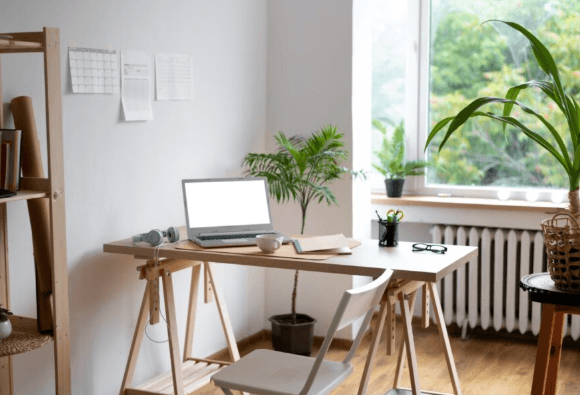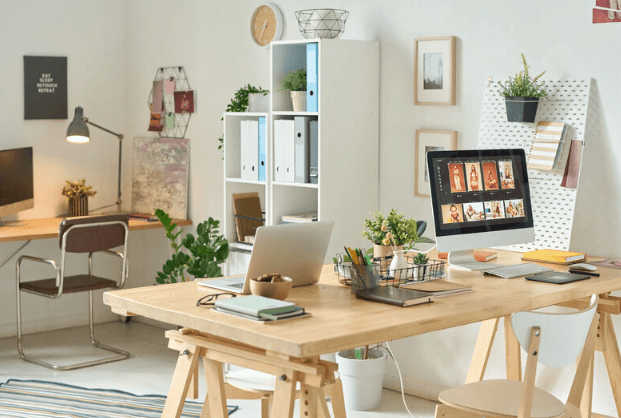
A productivity-focused home office should balance lighting, acoustics, and organization. Use cool-toned task lighting to boost alertness, with softer ambient light to reduce glare. Add soundproofing or acoustic panels to cut distractions and clarify speech. Declutter regularly and designate labeled zones to streamline tasks. Arrange a workflow-friendly layout with ergonomic docking, tidy cable management, and strategic peripherals. This setup promises measurable gains, but the next step reveals specific configurations that maximize focus and efficiency.
Create a Focus-Friendly Lighting Setup
Good lighting is essential for sustained focus and reduced eye strain; the goal is to illuminate work tasks without glare or shadows that cause flicker or discomfort.
The focus-friendly setup uses calibrated lighting temperature and balanced task lighting to minimize contrast, supporting steady, independent work.
Data suggests cooler temperatures boost alertness; adjust intensity to reduce glare and optimize visual ergonomics for prolonged sessions.
Soundproof and Sweeten Your Acoustics
Effective acoustics build on proper lighting by removing ambient distractions that compete with focus. Soundproofing strategies minimize external noise and mid-room echoes, enabling steadier concentration and fewer interruptions. Acoustic treatment protects sound quality through strategically placed panels and bass traps, improving speech intelligibility and comfort. Data-driven adjustments—test decibel levels, monitor reverberation time, and iterate—empower users seeking freedom and productivity.
Declutter, Organize, and Streamline Your Space
Decluttering, organizing, and streamlining a workspace yields measurable productivity gains by reducing search time, preventing distractions, and enabling consistent workflows.
A declutter mindset supports quick decision-making, while organize routines establish repeatable actions that save minutes daily.
Clear zones and labeled storage minimize interruptions, promote focus, and sustain momentum, enabling autonomous work cycles aligned with freedom-focused goals and data-driven efficiency.
Design a Workflow-Friendly Layout and Tech Docking
A workflow-friendly layout integrates main work zones with deliberate sightlines, traffic patterns, and power access to minimize motion and decision time. The design prioritizes focus zones, ergonomic placement, and scalable tech docking. Data shows cable management reduces clutter and setup time by 40%. Position peripherals within reach, consolidate charging stations, and document layouts to empower freedom while preserving efficiency and safe pathways.
Frequently Asked Questions
How Can I Track Daily Productivity Effectively at Home?
Tracking routines and metric selection quantify daily progress; time blocking and productivity rituals structure them. The approach favors freedom: record tasks, measure completion rates, analyze trends, and adjust blocks to maintain steady momentum without overbearing control.
What Budget Is Reasonable for a Home Office Upgrade?
A 20% boost in perceived focus accompanies a well-structured space; a reasonable budget depends on goals. Budget planning should prioritize essentials, with upgrade priorities tagged by impact, then expand gradually, balancing comfort, ergonomics, and freedom to customize.
Which Plants Improve Air Quality Without Triggering Allergies?
Air purifying plants include low allergen species like spider plant and Boston fern; these options reduce particulates with modest allergen risk. They are practical, data-driven choices for indoor environments, balancing air quality benefits with user freedom and ease.
See also;Brain-Enhancing Technologies
How Do I Set Boundaries With Household Members During Work Hours?
Setting boundaries is essential: establish quiet hours, define work boundaries, and request household cooperation. Use a shared calendar and visual cues; be direct yet respectful. Data suggests clear schedules reduce interruptions and boost productivity for independent work and personal freedom.
What Are Quick, Non-Damaging Cable Management Tricks?
Quick cables and safe routing reduce clutter with minimal effort. The approach prioritizes non-damaging fixes: cable clips, magnetic organizers, cable sleeves, and under-desk channels. It minimizes disruption, supports freedom, and offers measurable, repeatable improvements.
Conclusion
A calm, well-lit desk becomes a lighthouse for focus. Cool task lighting slices through the day’s fog, while balanced ambient light softens glare on screens. Acoustic panels hush chatter, letting ideas breathe clearly. A tidy, zone-based setup reduces decision fatigue as cables retreat behind sleek docking stations. With repeatable routines and labeled spaces, productivity becomes momentum—every task starts in a prepared harbor, every finish arriving smoother, faster, and more intentional.