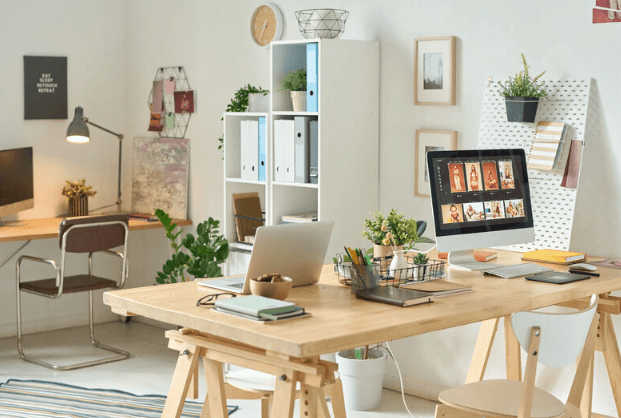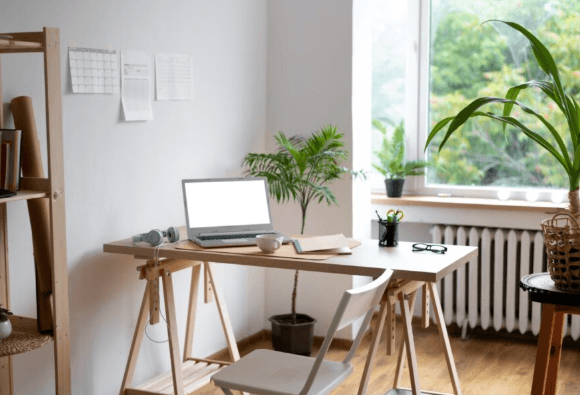
A productive home office hinges on a purposeful layout, solid ergonomics, and streamlined workflows. Position core tools within easy reach and center the monitor at eye level to reduce strain. Choose an ergonomic chair and wrist-friendly input devices to support long sessions. Use steady lighting, clear storage, and integrated tech to minimize search time and fatigue. A simple daily routine solidifies gains, while small upgrades invite measurable improvements—and a few questions remain.
Boost Focus With a Purposeful Layout
A purposeful layout minimizes distractions and aligns tools with workflow, enabling quicker task initiation and fewer context switches. The arrangement creates clear focus zones and minimizes movement, improving throughput. Data shows reduced switch costs when essential items are within reach. Distraction cues are mitigated by visual boundaries and standardized placements, empowering autonomy while maintaining disciplined, measurable progress toward goals.
Ergonomics That Keep You Comfortable All Day
Ergonomics that keep the body comfortable all day focuses on supporting neutral positions, reducing strain, and sustaining performance. The guidance emphasizes a data-driven ergonomics setup: chair height aligned with elbows, monitor at eye level, and keyboard angled to promote relaxed wrists.
Implement concise comfort strategies: micro-breaks, adjustable supports, posture checks, and regular reassessment for sustainable productivity.
Lighting, Organization, and Tech for Smooth Workflows
Effective lighting, organized systems, and streamlined technology are foundational to smooth workflows: steady illumination reduces glare and eye strain, well-structured storage minimizes search time, and integrated tech automates routine tasks.
Lighting efficiency guides task zoning and lamp selection; storage optimization consolidates folders, supplies, and cables.
Data-driven setups measure usage, adjust placements, and sustain freedom through clear, repeatable processes without overcomplication.
Build a Simple Daily Routine That Sticks
A simple daily routine can anchor productivity by pairing core tasks with fixed times, reducing decision fatigue and smoothing transitions between work blocks. A data-driven approach supports consistency, with brief morning planning and clear boundaries.
Prioritize distraction management by designating dedicated focus windows, minimal context switching, and predefined break periods. This structure preserves autonomy while promoting steady progress and measurable outcomes.
Frequently Asked Questions
How Do I Choose a Chair for Neck Support?
A chair with adjustable headrest and lumbar support aligns neck posture, promoting ergonomic chair ergonomics. He/She should prioritize stable seat depth, 90-degree elbows, and mid-back comfort; data suggests frequent posture checks improve neck posture and overall productivity.
What Desk Height Reduces Wrist Strain?
The desk height that reduces wrist strain aligns with desk ergonomics guidelines: roughly elbow level when seated, enabling neutral wrist posture. Data-driven adjustments target 0–2 cm above or below elbow height for optimal wrist posture and comfort.
Can Blue Light Affect Sleep After Work?
Blue light can delay sleep by suppressing melatonin, impacting post work wind down. Data suggests reducing exposure or using blue-light filters and dim lighting supports quicker sleep onset and improved sleep quality for individuals seeking greater freedom.
See also: Brain-Enhancing Technologies
How Often Should I Take Movement Breaks?
Movement cadence and stretch timing suggest taking movement breaks every 60 minutes, with a 2–5 minute window for posture resets; this cadence supports sustained focus and reduces fatigue, aligning with a data-driven, freedom-loving productivity mindset.
What Budget-Friendly Home Office Setup Works Best?
Anachronism: envisioning a rotary dial calculator, the setup prioritizes budget friendly components and practical limits. It emphasizes affordable, modular furniture and a clean desk to optimize workspace ergonomics, delivering data-driven value and freedom-oriented, concise recommendations.
Conclusion
In a tidy home office, productivity blooms where layout, comfort, and systems meet. The desk acts as a launchpad, centering tasks within effortless reach; a chair and monitor align like a well-taced spine, wrists gliding over a friendly keyboard. Steady light carves clarity, while organized storage trims search times to near zero. Simple routines form a quiet current—fixed tasks, focused windows, measurable progress. The room becomes a greenhouse: steady, efficient, and continually yielding productive clarity.